
1. The problem with late-stage surprises
In many home sales, the most important details show up late. Inspection findings appear after a buyer is emotionally invested. Pricing problems surface only after weeks of showings. Buyer readiness stays unclear until an offer arrives.
By that point, both sides have already spent time, energy, and money. Late surprises create delays, renegotiations, and sometimes a deal that falls apart entirely.
Transparency is not about revealing everything. It is about sharing the right information earlier, so decisions are based on reality instead of hope.
2. What buyers want before they tour a home
Most serious buyers are not asking for perfection. They want clarity. Before scheduling a showing, buyers increasingly want to understand:
When listings answer these questions early, you tend to get fewer wasted showings and more qualified interest.
3. Pricing in context, not just a number
Price alone does not tell the full story. Context matters. A useful pricing approach compares your home to recent comparable sales, then asks one honest question: What is the justification for being higher or lower than similar homes?
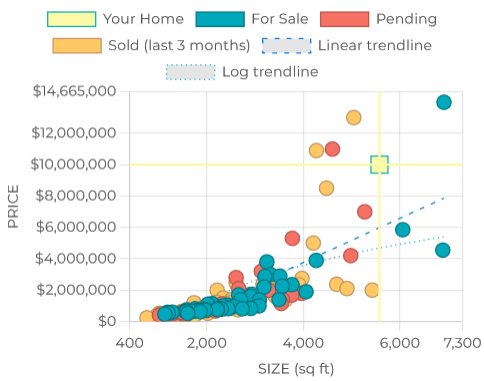
Transparent pricing does not remove negotiation. It removes confusion and helps buyers and sellers stay grounded in what the market is actually doing.
4. Why upfront inspections change the conversation
An inspection done early, before offers, changes the tone of the transaction. Instead of discovering issues late and renegotiating under pressure, buyers can evaluate the home with realistic expectations.
Sellers also benefit because they can address issues proactively, price appropriately, and avoid repeated inspections that produce conflicting reports.
This approach does not eliminate repairs. It eliminates surprises.
5. Safety and screening are part of transparency
Transparency is not only about data. It is also about people. Requiring identity verification and mortgage preapproval before showings helps ensure:
Clear screening standards protect everyone involved and reduce risk without adding unnecessary friction.
6. A shift toward simpler, more predictable outcomes
Real estate embraced online search years ago, but the transaction itself has been slow to evolve. Listing transparency is one of the most practical improvements available, not because it is flashy, but because it reduces wasted time and helps both sides make better decisions earlier.
When the key facts are presented upfront, deals tend to move with fewer delays, fewer disputes, and fewer last-minute renegotiations.
See selling resources - See pricing options - Request a net sheet estimate
Disclaimer: This page is educational. Costs and taxes vary by county, title company, and transaction details. Commission and representation terms are negotiable and depend on the agreement between buyer and seller. For a precise estimate, request a net sheet from your closing agent or listing broker.